What is Laminar Air Flow – Principle, Diagram, Uses, and Types
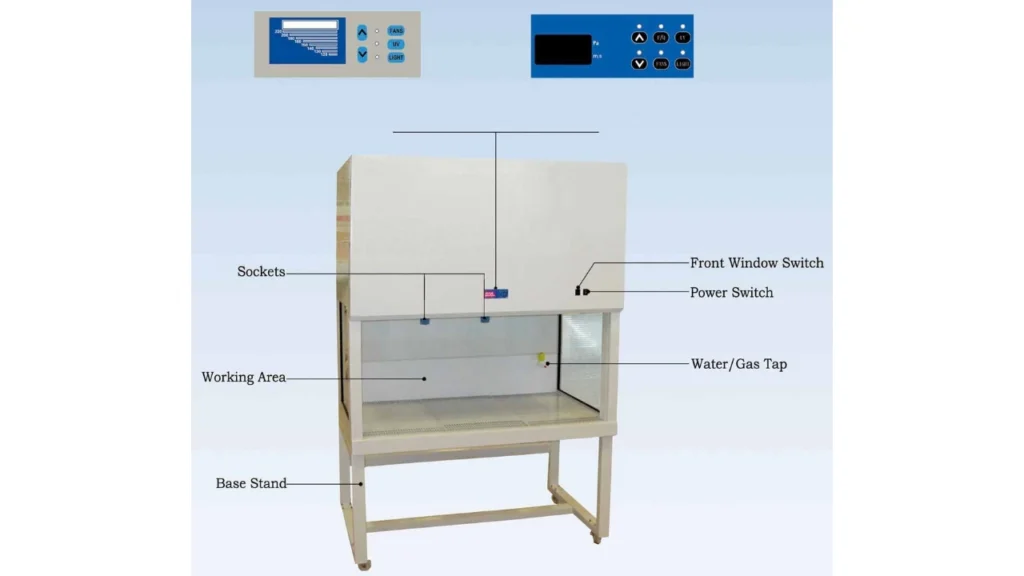
In cleanroom technology, pharmaceuticals, electronics manufacturing, and research laboratories, maintaining a contaminant-free environment is crucial. One of the most effective methods to achieve this is through Laminar Air Flow (LAF) systems. These systems ensure a continuous, uniform flow of air that minimizes contamination and maintains sterile conditions. But what exactly is Laminar Air Flow , and how does it work? Let’s break it down. What is Laminar Air Flow? Laminar Air Flow refers to the airflow in which air moves uniformly in parallel layers, with minimal turbulence. Unlike turbulent airflow, which mixes air particles in multiple directions, laminar flow ensures that clean air moves in a single direction at a constant speed. This type of flow is essential in environments where maintaining cleanliness and minimizing particle presence is critical. Laminar Air Flow systems are commonly used in biological safety cabinets, cleanrooms, and sterile production areas where a...


